How do I know if my siding needs to be replaced?
January 30, 2021
Your home’s siding does more than make your house look good. Its primary function is protecting the wood underneath and keeping your home safe and comfortable all year long. How long your siding will last before it needs to be replaced depends on both the type of siding you choose and the environmental conditions in the area you live in. Fiber cement and steel siding typically last the lifetime of the home with stone veneer coming in at a close second with an expected lifespan of 20 to 75 years. The life of vinyl siding can be somewhat shorter with a life expectancy of 20 to 40 years depending on a number of variables, such as storm damage, exposure to direct sun, exposure to consistent high winds, and other weather-related stresses on the home. Siding that needs to be replaced typically provides visible clues, but you need to know what to look for.
Contact Your Local Squeegee Squad Today!
Storm or Physical Damage
Physical damage as a result of hail storms, high winds, or blowing debris is typically easy to spot as it occurs when the storm strikes. Likewise, damage caused by a fallen tree or other item crashing into your siding is visible right away. In many cases, your home owner’s insurance will likely cover this type of damage. All or part of your siding may need to be replaced to restore your siding to its original condition.
Cracks and Holes
Crack and holes in your siding may appear over time as your siding ages, but these may not be evident with a cursory glance. Get into the habit of walking around your house at least twice a year and looking for any cracks or holes in the siding. Ignoring tiny cracks and holes may seem prudent, but it really isn’t. Even small holes and cracks allow water to seep under the siding where it can wreak havoc with the wood beneath, creating a much larger problem than the need to replace your siding. Small holes or cracks may be able to be repaired, or you may be able to replace a section of your siding.
Loose or Warping Siding
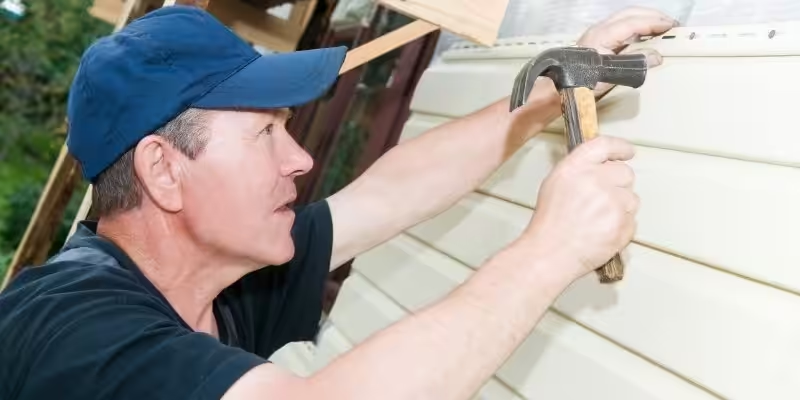
Like small holes and cracks, loose or warped siding may not be evident unless you look for it. Go around your house and check for areas where the siding appears loose, is buckled or warped, or just looks funny. Take an object like a screwdriver and probe the wood behind the warped area to determine if it is solid. If the wood feels solid and there is no give to your efforts, you have likely caught the issue before damage has been done. Replacing a portion of the siding will likely take care of the problem. On the other hand, if the wood beneath feels soft and has begun to rot, you will need to correct the problem and replace your siding.
Mold or Mildew Inside the Home
If you notice mold or mildew, or other signs of water damage on the walls inside your home, there is a good chance the siding on the outside is letting water into your home. Check the siding on the outside of the house for signs of damage. If your siding is letting water inside, it is time to replace your siding.
Contact Your Local Squeegee Squad Today!
Loose Wallpaper or Peeling Paint
Like mold and mildew, loose wallpaper or peeling paint typically indicate water is getting inside your home. Check the siding to determine if damaged siding is the source.
Increased Utility Bills
Your siding and insulation work together to keep your home warm in winter and cool in the summer. If the siding is damaged, you may be losing heat in the winter (and gaining heat in the summer). If you notice your heating and cooling bill getting higher every year check your energy consumption. If you are using more energy to heat and cool your home, replacing your siding may be your best move to improving the situation.
Is Your Siding Fading?
The coloring in vinyl siding is designed to last the lifetime of the siding. If yours has faded it is likely alerting you that your siding’s rating has run it course. Severe fading typically indicates your siding’s waterproofing has passed its lifespan, too.
If you have concerns about your siding and need a professional opinion, contact your local Sqeegee Squad today to discuss how we can help you.
Our Blog
What dirty windows are quietly costing your business
Nobody walks into a store and thinks, “Great windows.” But plenty of people walk past one and think, “Looks closed.” Your windows are the first thing a customer, tenant or prospective buyer sees. They form an opinion before anyone says hello. Here’s what grimy glass costs, and why scheduled cleaning pays for itself. First impressions...
Read More
Your windows are about to meet your in-laws
Your windows are about to meet your in-laws Holiday Window Cleaning: Get Your Home Guest-Ready Before Thanksgiving You’ve deep-cleaned the guest bath. You’ve hidden the junk drawer. You’ve bought the good napkins. And then your in-law sits down at the dining table, the afternoon sun hits the window, and there it is: every water spot,...
Read More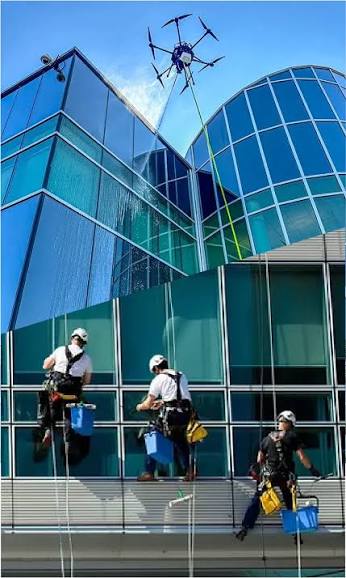
Drones vs. Hand Window Cleaning: Why the Human Touch Still Wins
Window-cleaning drones are getting a lot of buzz, and it’s easy to see why. Industry sources say drones can cost 20% to 60% less and finish some high-rise jobs up to 5 times faster than traditional rope-access crews. But faster isn’t always better. Drones still struggle with buildings above roughly 13 to 20 stories, windy...
Read More