The Difference Between Maintenance Cleaning and Deep Restoration for High-Rise Buildings in Nashville
February 27, 2026
What Is Maintenance Cleaning?
Maintenance cleaning is proactive, scheduled exterior upkeep. It’s designed to:- Preserve appearance
- Prevent buildup
- Extend surface life
- Avoid costly repairs
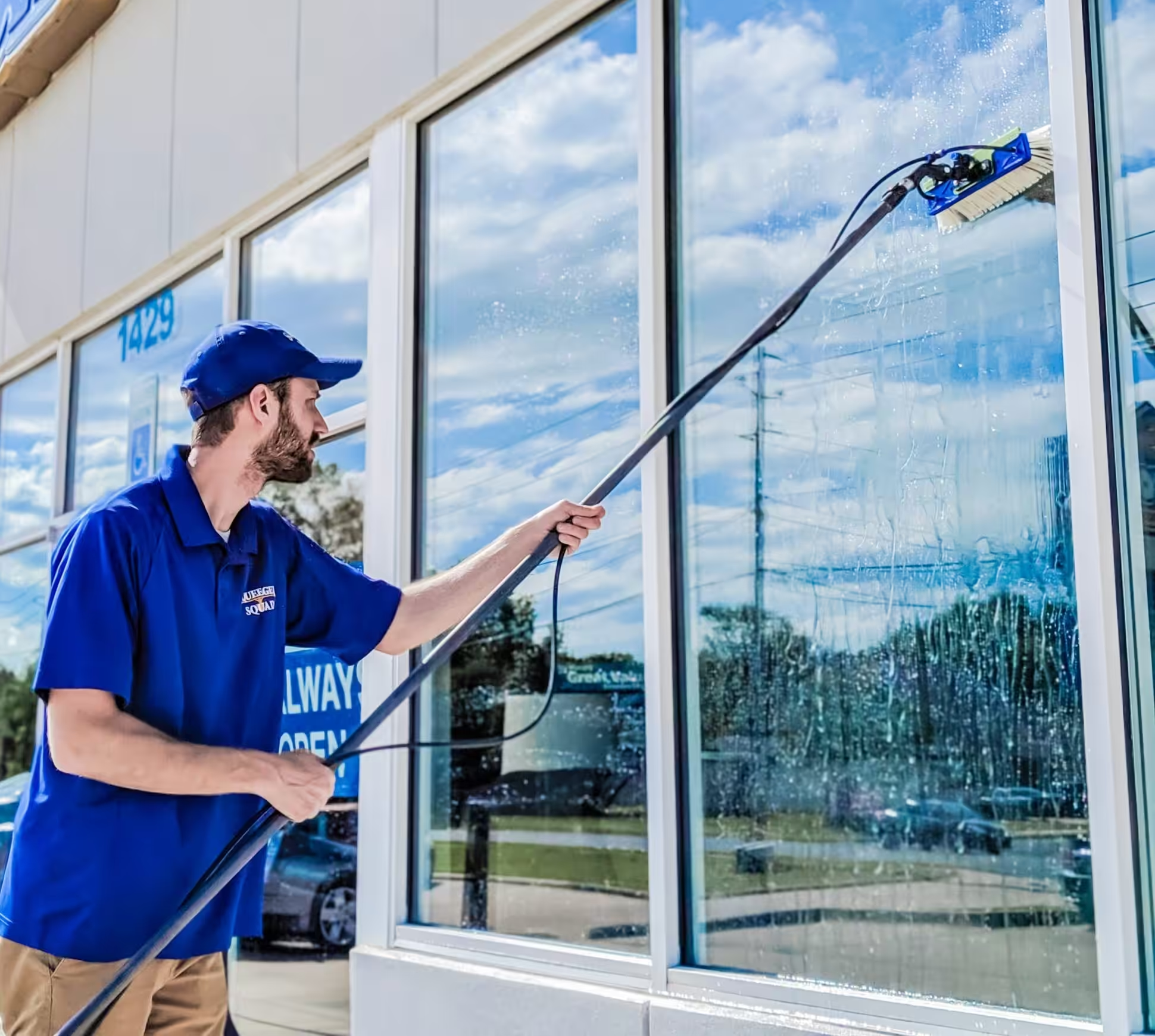
- High-rise window cleaning
- Soft washing of siding or façade
- Routine pressure washing of walkways & garages
- Metal polishing
- Surface rinsing to remove pollen and airborne contaminants
Why It Matters in Nashville
Middle Tennessee’s climate is rough on buildings:- Heavy pollen in spring
- High humidity in summer
- Mold and algae growth
- Construction dust from ongoing development
- Urban pollution
What Is Deep Restoration?
Deep restoration is corrective. It becomes necessary when:- Surfaces are heavily stained
- Oxidation is present
- Mold or algae has penetrated materials
- Windows are permanently etched
- Concrete is deeply embedded with grime
- Oxidation removal
- Specialty chemical treatments
- Heavy stain removal
- Multi-stage pressure cleaning
- Surface correction processes
- Possible glass or seal replacement
The Real Difference: Prevention vs. Repair
Maintenance Cleaning:- Scheduled and predictable
- Lower annual cost
- Minimal disruption
- Extends asset life
- Protects brand image
- Reactive and urgent
- Higher one-time expense
- Operational impact possible
- Repairs neglected damage
- Fixes visible deterioration
When Does a Building Shift from Maintenance to Restoration?
Here are warning signs Nashville property managers should watch for:- White chalky residue on painted metal (oxidation)
- Black streaking on EIFS or stucco
- Persistent mold or algae growth
- Window glass that looks hazy even after cleaning
- Rust staining on concrete or façade
- Water runoff marks that won’t rinse off
Cost Considerations in Nashville
While pricing varies by building size and access complexity, here’s a general breakdown for high-rise properties: Maintenance Cleaning (Annual or Bi-Annual)- Predictable operating expense
- Typically budgeted within facilities planning
- Lower cost per square foot over time
- Capital expense
- May require board approval (for apartments or condos)
- Higher cost per square foot
- Often 2–5x more expensive than regular maintenance
Why High-Rise Buildings Are Especially Vulnerable
Tall buildings experience:- More wind-driven debris
- Greater UV exposure
- Hard-to-access upper levels that get neglected
- Water runoff patterns that cause staining
The Smart Strategy for Nashville Property Managers
If you oversee:- Multifamily high-rises
- Office towers
- Hospitality properties
- Mixed-use developments
- Medical office buildings
- Conduct a professional exterior evaluation annually.
- Establish a documented maintenance cleaning schedule.
- Track surface condition year-over-year.
- Address small oxidation or staining early.
- Avoid letting deferred cleaning turn into restoration.
Why This Matters for Your Reputation
In a competitive Nashville market:- Tenants judge cleanliness.
- Guests notice streaked windows.
- Investors see neglected façades.
- Prospects compare properties instantly.
- Professional management
- Asset protection
- Operational excellence
Final Thought: The True Cost of Waiting
Maintenance cleaning is predictable. Restoration is reactive. In Nashville’s climate, doing nothing is not neutral — it accelerates deterioration. If you’re a property manager, maintenance supervisor, or building engineer responsible for a high-rise in Nashville, the question isn’t: “Should we clean?” It’s: “Are we cleaning often enough to avoid restoration?”About Squeegee Squad Nashville
Squeegee Squad Nashville specializes in high-rise exterior maintenance for:- Apartment communities
- Office buildings
- Hotels
- Commercial high-rise properties
Our Blog
More Blogs
Why We Take Photos Before and After Every Job (And Why You’ll Be Glad We Do)
The Proof is in the Pictures: Why Photo Documentation Matters When you hire a commercial pressure washing or high-rise window cleaning company, you expect the job to be done right—the first time. But how do you really know the work was thorough? How can you show ownership or tenants the value of what was done?...
Read More
The Hidden Costs of Neglecting High-Rise Window Maintenance
When was the last time your building’s windows were professionally inspected and cleaned? If you’re like many property managers or building engineers, the answer might be, “not recently enough.” While postponing window maintenance might seem like a way to save money in the short term, the hidden costs of neglect can stack up quickly—and painfully....
Read More
Commercial Window Cleaning: Make Your Business Shine with Crystal Clear Windows Western WI
Clean Windows Reflect a Clean Business Customers and clients quickly notice the cleanliness of your building’s exterior. Dirty or streaked windows suggest neglect and can affect how people perceive your professionalism. Clean windows, on the other hand, send a strong message: you care about the details and take pride in your space. That impression can...
Read More