What Kind of Things Can You Plant in the Fall?
September 16, 2022
Your garden can continue being productive and colorful even into fall and winter, so planting during fall should definitely be on your gardening calendar. The difficulty with fall planting is that you’re up against a vague clock–the first frost date– and that date varies widely across the country. People in Idaho and Vermont have a very different fall planting schedule than people in southern Arizona and southern Texas; for example, people in Phoenix often have until early to mid December before the first frost date, but people in Pocatello often see frost as early as mid to late September, making fall planting tricky there unless they grow fast-maturing plants that actually get planted around late summer.
First Frost Versus First Killing Frost
You’ll hear terms like “first frost” and “killing frost” a lot as you learn more about fall gardening. First frosts are the first frost of the season, period. These are the first dates when your area typically sees nighttime temperatures dip to just above freezing or below freezing. A killing frost is a severe frost or freeze that will kill a lot more; “killing frost” isn’t an official term. Pay more attention to terms like “hard freeze,” which is when the air temperature dips to 28 degrees Fahrenheit or below. These extreme temperatures become fatal to many plants.
What’s the Best Time to Plant in the Fall?
Look for two factors when choosing the day you’ll plant things. One is the first frost date because you want plants to be established before then. Prior to establishment, the plants are too fragile to handle the stress of a freeze, and after the freezes begin, the ground becomes too hard to dig in. The other factor is general weather. If it’s too hot, or if your area is forecast to have strong storms, you’ll want to wait before trying to plant anything. There’s no sense planting only to have everything washed away by the tropical depression that’s forecast to hit in a couple of days, or to have everything die from excessive heat in a West Coast September heatwave.
What Can You Plant in the Fall?
So you want to start finding plants? Luckily you’ve got flowers, trees, grass, and vegetables to choose from!
Flowers
Any annual that likes fall weather in your region is a great choice for fall planting. Annuals bloom for a few months and then are expected to die, so if you get flowers out of them for a while, and then the first frost does them in, that’s pretty much on schedule. A nearby garden center or home improvement store should have flats of annual seedlings available. Mums, begonias, marigolds, zinnias, and many more do well when planted early in fall.
Pansies would be an interesting flower to have, especially in warmer areas. These can be planted often in October (again, watch your frost dates), and in warmer regions, you’ll get flowers for months. Even in colder regions, once the pansies are established, they may be able to survive winter and bloom one more time in spring.
Bulb flowers like tulips, hyacinths, and daffodils should be planted in the fall before the ground hardens. These bulbs are meant to get very cold over winter, eventually sprouting out of the soil in spring. Snowdrops bloom even earlier, often in mid winter.
Perennial groundcovers, ornamental grasses, and sages do well when planted in fall. Depending on your area, you may have access to plants like maiden grass and leadwort.
Food
Food planting is a tough one because this is really where your planting season comes into play. For people in warmer areas like southern Arizona in desert areas, fall can be very comfortable and let you plant things like greens, celery, rutabagas, and radishes. But in New England, herbs and garlic are your go-to fall food plantings.
If you want spring foods like strawberries and blueberries in warmer regions, you ideally want to plant those in fall. Summer heat can wreck these plants, and if you track strawberry harvest dates across the country, you can see how warmer regions produce the fruit earlier in the year. Start those transplants in fall and protect them from winter freezes.
Other Plants
Both turf grass seeding/sod laying and tree planting are also fall garden activities. Planting when the weather gets cooler but is not yet freezing cold gives both the grass seed/sod and seedlings time to become established without the threat of excessive heat.
How Late Into Fall Can You Plant?
You really don’t want to plant anything after the first frost simply because once that frost happens, the likelihood of another frost occurring soon after goes up. And, the likelihood that a killing frost or freeze will happen goes up. New plants, be they transplants or seeds, are too tender to withstand temperatures that are very cold. Remember, even a light freeze can kill tender plants.
But planning to plant before the first frost comes with a warning. The Old Farmer’s Almanac points out that freezes can happen early in some years, with chances of an early freeze at about 30 percent. In other words, don’t assume you absolutely have X amount of time; instead, think of it as a time period, with the freeze date being an average and not an absolute. It is best to watch the weather for current expectations of frost.
Conclusion
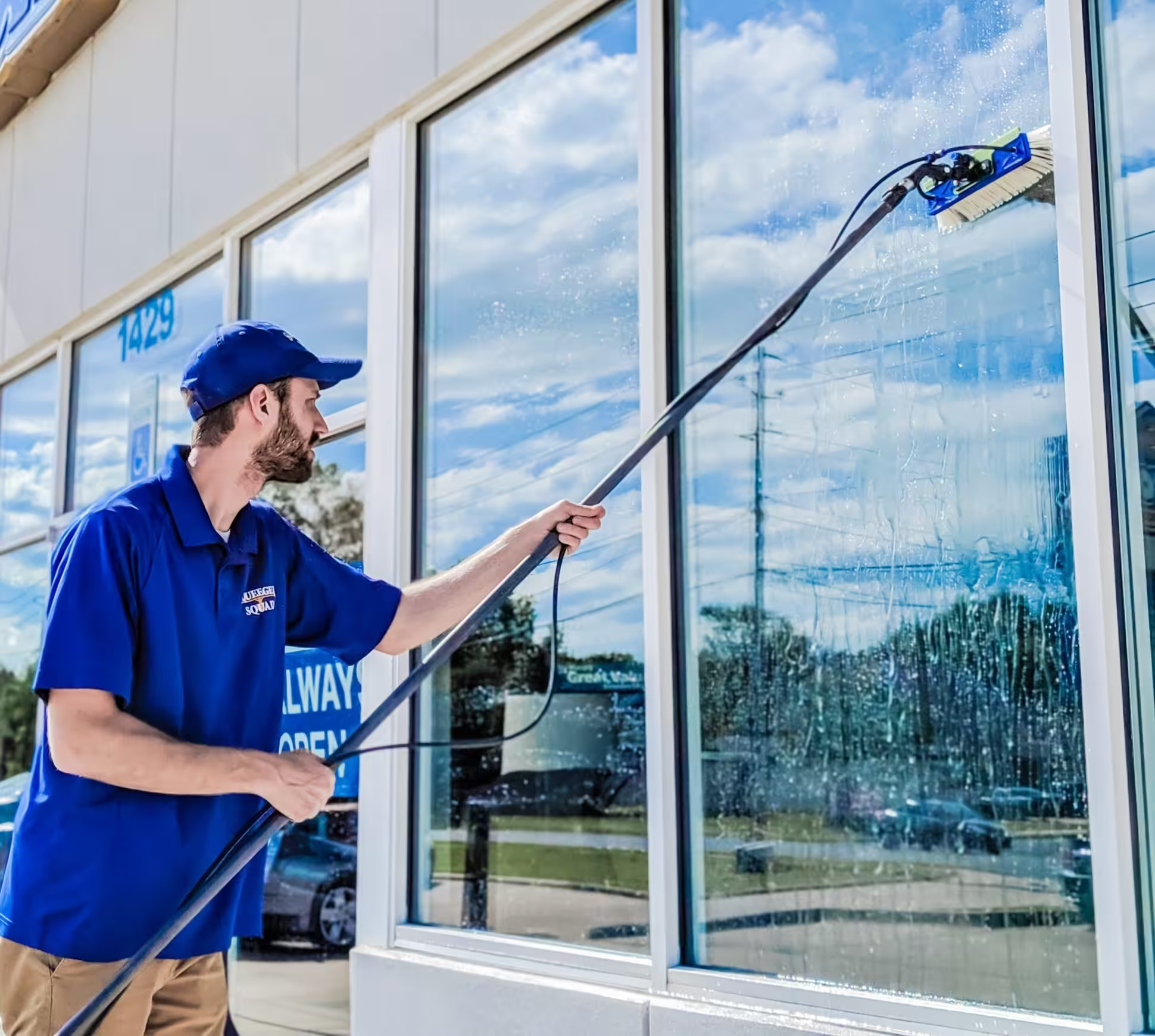
Once you have everything planted, take steps to protect the seedlings. This usually means protecting them from pests, but it also means protecting them from other garden issues like clogged rain gutters that send a cascade of water onto your landscaping. Fall is also the perfect time to have your roof gutters cleaned out to prevent these waterfalls from forming and damaging foundation. Professionals like Squeegee Squad can clear your gutters, pressure wash your home, clean your windows so that you can save time, and also see the garden in its fall glory at all times of the day.
Find Your Local Squeegee Squad For A Free Quote Today!
Our Blog
How Fall Leaves Can Affect Your Home's Exterior
Beautiful fall leaves can make your property look inviting, but they can also create exterior maintenance problems when they accumulate around your home. From clogged gutters to stained surfaces, fallen leaves can affect several areas of your property. Knowing where leaves tend to collect can help you keep your home’s exterior clean and ready for...
Read More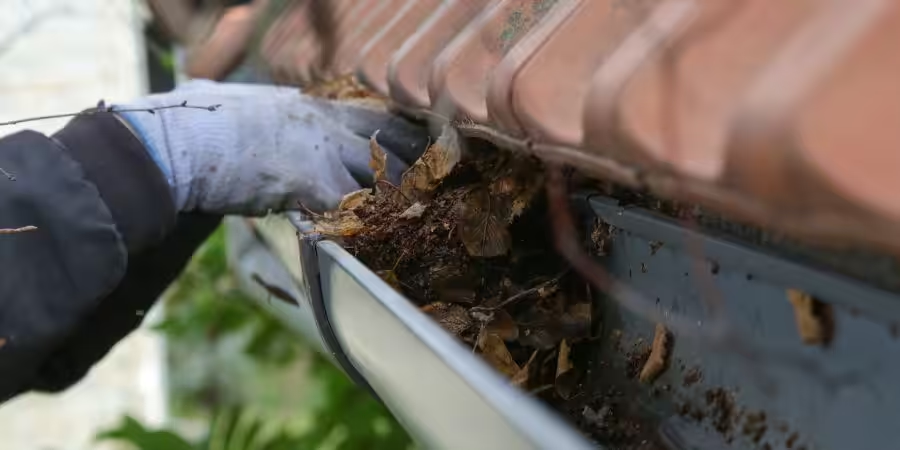
The Ultimate Fall Exterior Cleaning Checklist for Your Home
Fall is the perfect time to take care of exterior cleaning before colder weather arrives. Leaves, pollen, dirt, and summer grime can build up on your home throughout the warmer months. Completing a fall exterior cleaning checklist can help protect your property, improve curb appeal, and prepare your home for winter. Let us handle the...
Read More
Rope Access 101: How Our Technicians Stay Safe at 40 Stories
If you’ve ever looked up from a sidewalk in downtown Nashville and seen one of our technicians suspended 30 or 40 stories in the air, you’ve probably asked yourself a very fair question: “Is that safe?” And honestly? You should ask that question. At Squeegee Squad Nashville, we believe trust is built by answering the...
Read More