When To Fertilize Your Lawn?
April 27, 2022
Keeping your lawn lush and green isn’t as difficult as it seems. Your lawn will flourish with adequate water, sunshine, and the proper nutrients. Your lawn requires fertilizer to help it grow, which may leave you wondering, “When is the best time to fertilize the lawn?”
The best time to fertilize your lawn depends on where you live and the grass you are growing. You need to apply fertilizer when the grass is actively growing. Applying fertilizer when the grass is dormant can cause more weeds to grow in your lawn and damage the grass. Understanding the type of grass and the growth habits of your lawn will determine when the best time to fertilize it.
When to Fertilize Cool Season Grasses
Cool-season grasses, like Ryegrass, Fescues, and Kentucky Bluegrass, grow best in cool weather and typically show a burst of new growth in the spring and the fall when the temperature is between 60 and 70 degrees. Cool-season grasses, commonly grown in northern regions, need to be fertilized in the spring and the fall.
It is best to fertilize cool-season grasses lightly in the spring when the ground temperature reaches 55 degrees and you see signs of new growth. Fertilize it heavily in the fall when the weather cools, but before the first hard frost hits your area. Lawns with cool-season grasses need 1 to 2 pounds of fertilizer high in nitrogen per 1,000 square feet. You can plan to fertilize cool-season grasses with your other spring cleaning tasks like window cleaning, gutter cleaning, and pressure washing.
When to Fertilize Warm Season Grasses
Warm-season grasses, like St. Augustine grass, Bermuda grass, and Zoysiagrass (commonly grown in southern regions of the country), thrive in warm temperatures and grow the fastest in late spring and summer. These grasses flourish when temperatures are between 80 and 95 degrees.
Warm-season grasses need 3 to 4 pounds of nitrogen fertilizer per 1,000 square feet per year. Apply fertilizer in the spring with your other spring cleaning tasks like window cleaning, gutter cleaning, and pressure washing. Fertilize again in the fall after the heat of summer has cooled down.
Contact The Professionals At Squeegee Squad Today!
Should you fertilize lawns after it rains?
Fertilizing your lawn after heavy rain makes it harder for the fertilizer to penetrate the soil and may cause it to run off with the excess water. Fertilizers may also stick to the wet grass blades and fail to go into the ground as they should. It’s best to wait two or three days after heavy rain before applying fertilizer to your lawn. Water the lawn well after you fertilize to dissolve the fertilizer and help it work its way into the soil.
Avoid Fertilizing Lawns When They are Dormant
Fertilizing your lawn when it’s dormant runs the risk of encouraging unwanted weeds in your lawn. Wait until your lawn begins to green up in the spring, and avoid fertilizing cool-season grasses in midsummer when they often go dormant until the weather cools.
Avoid Fertilizing Lawns During a Drought
Fertilizing your lawn during a drought can be dangerous, particularly if you are under water use restrictions. Lawn fertilizers need to be watered in by soaking the soil after application. Allowing lawn fertilizer to sit on the lawn without adequate water will burn your grass and will not soak into the ground where it is needed.
What kind of lawn fertilizer should you use?
There are a wide variety of lawn fertilizers available. Each fertilizer is designed for a specific purpose. Some contain high nitrogen, while others have a more balanced formula. Read the label carefully to determine which formula is best for your lawn’s particular type of grass.
Types of Lawn Fertilizer
- Granular fertilizer is spread over the lawn and watered well to dissolve the fertilizer and encourage it to seep to the root level where it can work its magic. Granular fertilizer may be time-released and continues to work for longer, but it also takes longer to show results.
- Water-soluble fertilizer may be liquid or powder and must be mixed with water before applying it. It can be sprayed on the lawn with a fertilizer sprayer attached to the garden hose. Water-soluble fertilizer works quickly to green up the lawn in a few days, but it needs to be applied more frequently than time-release formulas.
- Lawn fertilizer is available in both organic and synthetic formulas depending on your preference.
Keeping your lawn looking good takes more than regular mowing. It needs nutrients to promote lush and new growth. Lawn fertilizers provide the grass with the nutrients it needs to flourish. Using the right formula for your grass and developing a good fertilizing routine are essential to keeping your lawn looking its best.
Let Squeegee Squad assist with your additional spring and fall home preparations!
Whether it’s for window cleaning, gutter cleaning, power washing, solar panel cleaning, and more, contact the professionals today for a free quote!
Our Blog
What dirty windows are quietly costing your business
Nobody walks into a store and thinks, “Great windows.” But plenty of people walk past one and think, “Looks closed.” Your windows are the first thing a customer, tenant or prospective buyer sees. They form an opinion before anyone says hello. Here’s what grimy glass costs, and why scheduled cleaning pays for itself. First impressions...
Read More
Your windows are about to meet your in-laws
Your windows are about to meet your in-laws Holiday Window Cleaning: Get Your Home Guest-Ready Before Thanksgiving You’ve deep-cleaned the guest bath. You’ve hidden the junk drawer. You’ve bought the good napkins. And then your in-law sits down at the dining table, the afternoon sun hits the window, and there it is: every water spot,...
Read More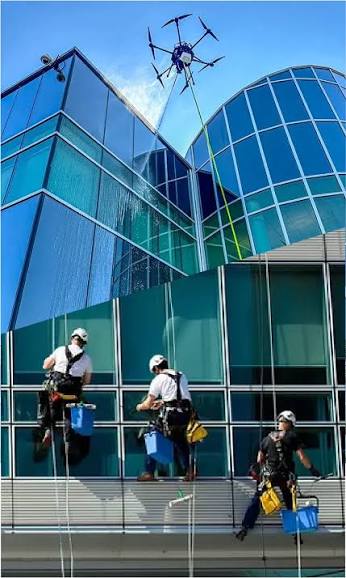
Drones vs. Hand Window Cleaning: Why the Human Touch Still Wins
Window-cleaning drones are getting a lot of buzz, and it’s easy to see why. Industry sources say drones can cost 20% to 60% less and finish some high-rise jobs up to 5 times faster than traditional rope-access crews. But faster isn’t always better. Drones still struggle with buildings above roughly 13 to 20 stories, windy...
Read More