When Is It Safe To Drive On Pavers After They’ve Been Sealed?
June 3, 2022
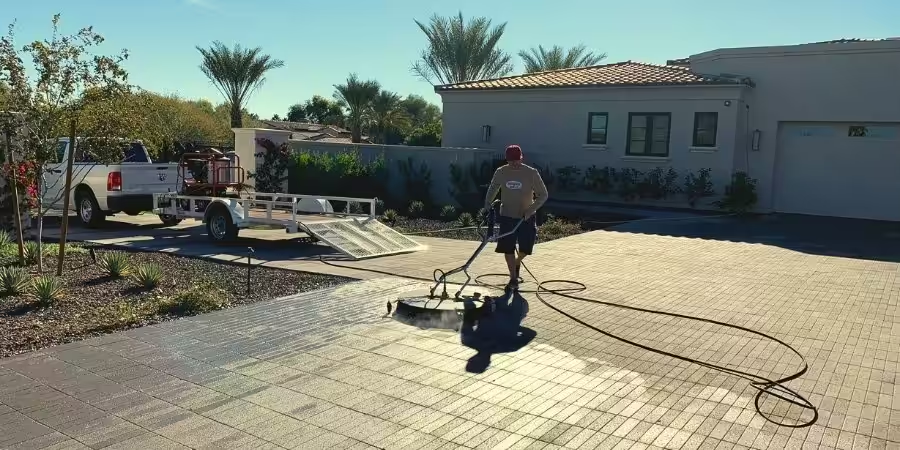
Pavers are popular among homeowners who want to spruce up their walkway or driveway surfaces. They are aesthetically pleasing but also durable and long-lasting. However, some individuals accidentally drive or walk on freshly sealed pavers, ruining the finish in specific areas. Although the error may not compromise the entire driveway or walkway surface, the result will be prominent and unattractive.
Sealants require a specific period to set on pavers. This article will discuss how much time surfaces should take to dry after being sealed, and find out the estimated waiting period before using your freshly paved driveway or walkway.
When is it Safe to Walk and Drive on Pavers After They’ve Been Sealed?
While 24 hours is ideal for a sealant to dry on pavers, specific circumstances can slow or speed up the process. In contrast, setting and curing times vary depending on popular paver materials such as cobblestone, brick, and concrete.
Depending on the brand and type, a sealant can require a full day to dry but may require 3-5 days to be fully ready. Although it may feel firm to the touch, it needs to be able to harden throughout the drying process. Additionally, staying off the sealed area is wise before it completely dries and is safe to walk on within several hours.
Can You Seal Wet Pavers?
Since water can destroy a foundation, applying a sealant to dry pavers is recommended. While a drizzle may slightly compromise paver material, it can still dampen the surface through absorption. Therefore, keeping track of the weather can help you avoid sealing before impending rain. If a storm does occur before sealant application begins, consider waiting at least 24 hours until the dampness evaporates.
If the pavers are wet due to a pressure wash, allow them at least 24 hours to air dry. They may need a reseal after a deep clean, which is crucial to wash away residue.
Excessive moisture from intense heat can also hinder the sealing process. Although hot temperatures may seem ideal to dry pavers quicker, they can cause irreversible damage. There are a few potential issues that can occur if pavers are sealed in a hot climate:
- Resin Strings – These occur when the liquid portion of a sealer evaporates before settling into the concrete surface.
- Diffusion – Appears as a whitish or greyish haze in the sealer after curing. The issue usually occurs when the product lifts from the surface months or days after application.
- Bubbles – They develop and trap evaporating solvent gas, mainly on the surface of the sealant membrane (layer).
As you can see, moist pavers can be as problematic as water-soaked pavers. Therefore, a sealer should only be applied on a dry surface when temperatures are between 40 to 75 degrees.
Can Pavers Get Wet After They’ve Been Sealed?
Typically, pavers have a 50-100 year life span and can remain in exceptional condition with efficient maintenance every 2-3 years. On the other hand, they can also weaken gradually if not protected from natural elements such as snow and heavy rain. When in contact with water after a sealing job, pavers can develop imperfections and discoloration, ruining their aesthetic appeal.
Fortunately, a protective sealant can shield the driveway and walkway pavers from harsh weather elements, preventing damage. Since various sealers work differently, depending on paver material, it would be best to avoid water-based sealants, mainly due to their vulnerability to wear and tear.
Contact The Professionals At Squeegee Squad For Pressure Washing
Pavers need to be maintained a few times a year depending on the amount of use. Squeegee Squad’s professionals will handle all your pressure washing needs. Regardless of your location, deep cleaning of aging pavers is necessary before restoration and resealing. Let our industry experience, skills, and equipment pressure wash for you quickly and effectively.
Contact one of our franchises near you to get your pressure washing quote!
Our Blog
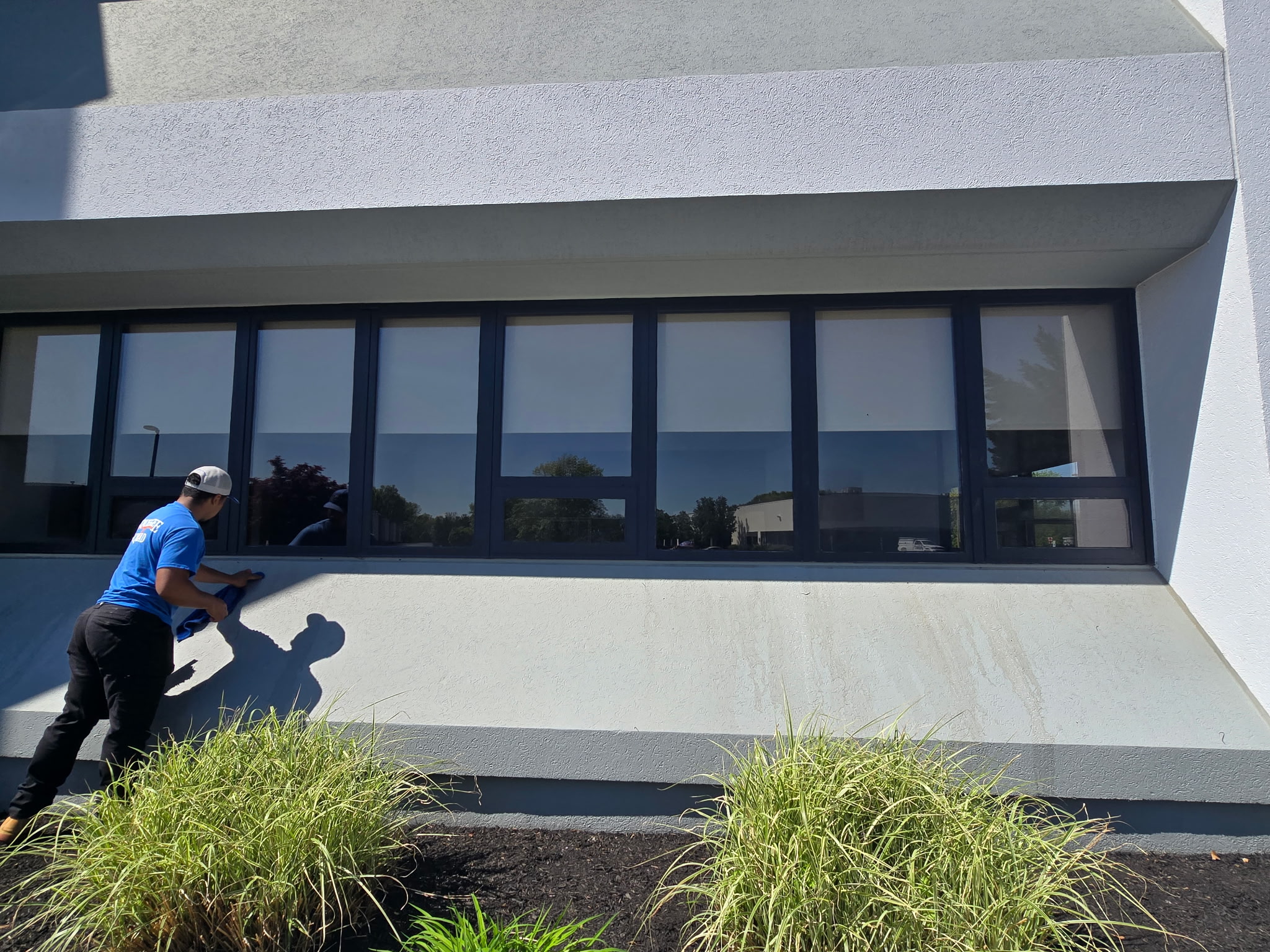
What dirty windows are quietly costing your business
Nobody walks into a store and thinks, “Great windows.” But plenty of people walk past one and think, “Looks closed.” Your windows are the first thing a customer, tenant or prospective buyer sees. They form an opinion before anyone says hello. Here’s what grimy glass costs, and why scheduled cleaning pays for itself. First impressions...
Read More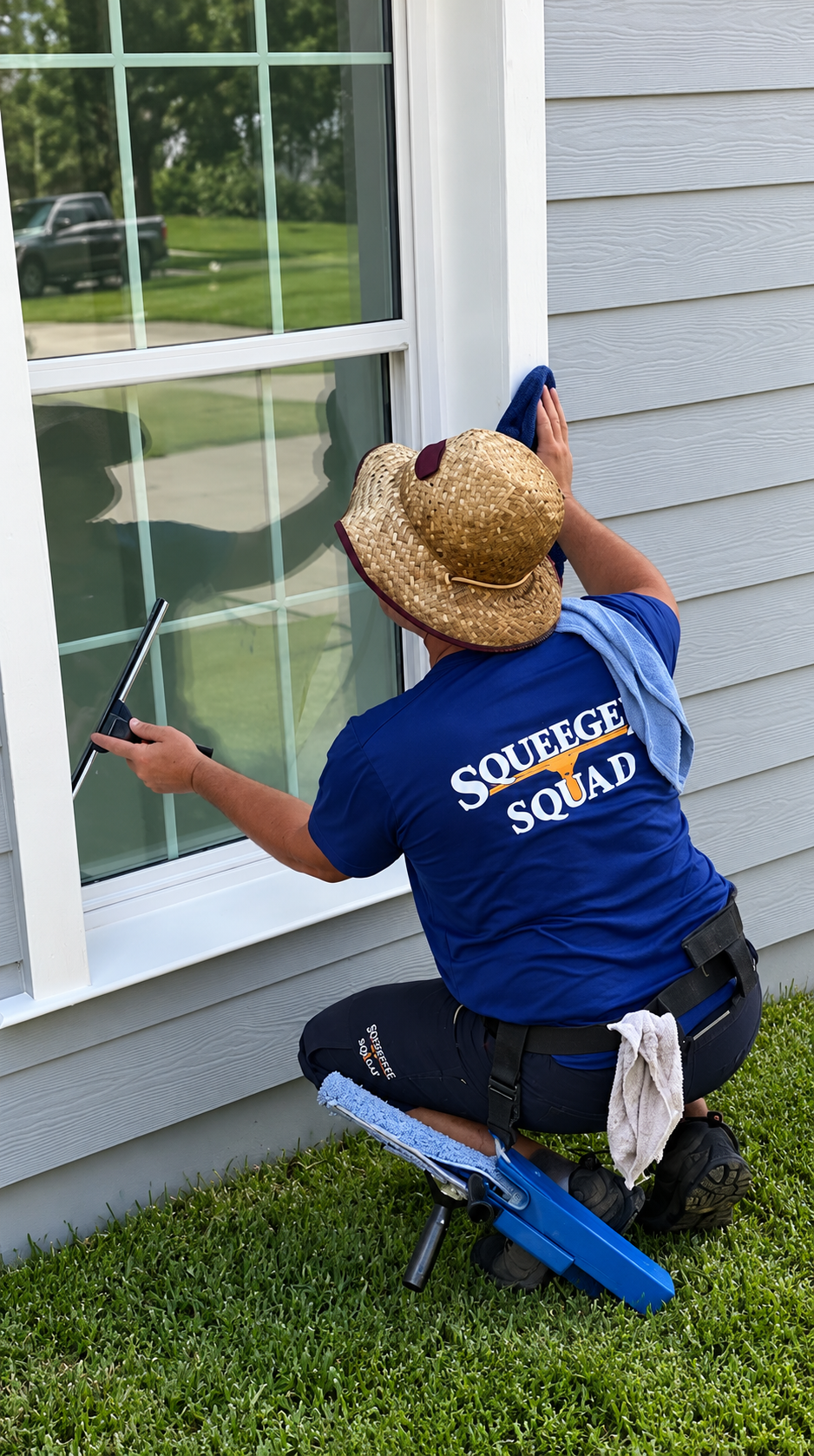
Your windows are about to meet your in-laws
Your windows are about to meet your in-laws Holiday Window Cleaning: Get Your Home Guest-Ready Before Thanksgiving You’ve deep-cleaned the guest bath. You’ve hidden the junk drawer. You’ve bought the good napkins. And then your in-law sits down at the dining table, the afternoon sun hits the window, and there it is: every water spot,...
Read More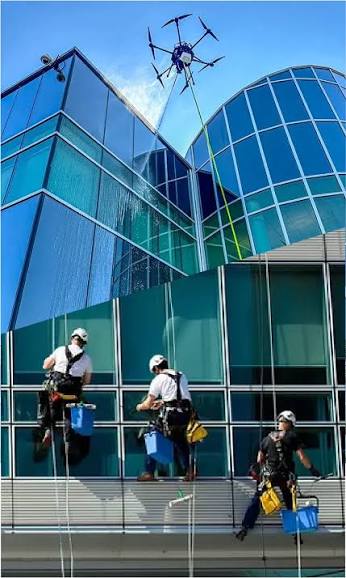
Drones vs. Hand Window Cleaning: Why the Human Touch Still Wins
Window-cleaning drones are getting a lot of buzz, and it’s easy to see why. Industry sources say drones can cost 20% to 60% less and finish some high-rise jobs up to 5 times faster than traditional rope-access crews. But faster isn’t always better. Drones still struggle with buildings above roughly 13 to 20 stories, windy...
Read More